
Transforming Your Outdoor Space: 5 Essential Landscaping Strategies
Transforming Your Outdoor Space: 5 Essential Landscaping Strategies
A well-designed landscape enhances curb appeal, extends your outdoor living area, and boosts property value. Whether you are starting with a blank slate or refreshing an established yard, thoughtful planning makes all the difference.
1. Plan Around Your Yard's Natural Microclimate
Before picking out plants, evaluate the unique conditions of your property:
Sunlight: Track how light moves across your space—identify full-sun zones, partial shade, and full-shade corners.
Soil Quality: Test your soil pH and drainage capacity. Heavy clay retains moisture longer, while sandy soil drains quickly and requires frequent watering.
Wind & Microclimates: Take note of wind patterns and heat trapped near paved surfaces like patios or driveways.
2. Incorporate Layered Planting for Depth and Texture
Mixing plant types creates visual richness and keeps the eye moving through the space:
Canopy Layer: Shade trees and large ornamental trees to establish structure.
Understory & Shrubs: Evergreen and flowering shrubs for mid-height bulk and privacy screening.
Perennial Borders: Flowering perennials and ornamental grasses for seasonal color shifts.
Groundcover: Low-growing groundcovers or mulch to cover open soil and reduce weed growth.
3. Balance Hardscaping with Softscaping
Effective landscape design pairs functional architectural elements (hardscaping) with living greenery (softscaping):
Feature TypeCommon ElementsPrimary PurposeHardscapePavers, stone walkways, retaining walls, pergolasStructure, circulation, soil erosion controlSoftscapeTrees, shrubs, turfgrass, flower bedsColor, texture, shade, natural habitat
4. Prioritize Sustainable and Low-Maintenance Practices
Designing an eco-friendly landscape lowers water bills and reduces long-term upkeep:
Native Plants: Choose species indigenous to your region. They adapt better to local climate conditions and require less fertilizer and supplemental water.
Drip Irrigation: Install targeted drip systems rather than overhead sprinklers to apply water directly to roots and minimize evaporation.
Organic Mulch: Apply a 2–3 inch layer of wood bark or compost to retain moisture, regulate soil temperature, and improve soil health over time.
5. Create Functional Zones
Treat your yard like an extension of your home's floor plan. Designate specific zones based on how you intend to use the space:
Entertainment: A flat, durable paved patio for outdoor dining and seating.
Recreation: Open turf grass for children or pets to play.
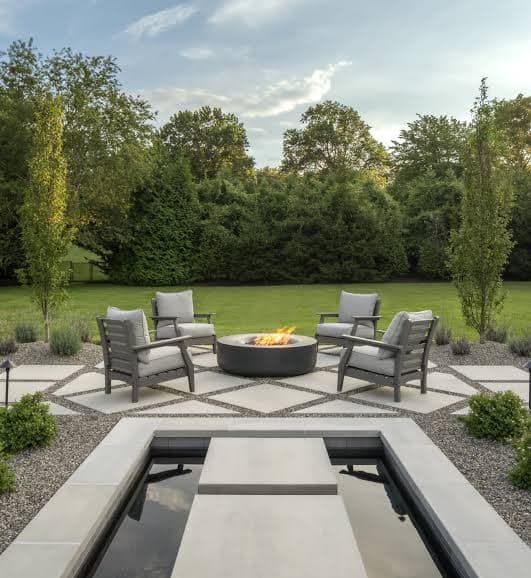
Focal Points: Feature elements such as a fire pit, water fountain, or specimen tree to draw attention and anchor the space.
Ready to Get Started?
Start small by picking one focal area to transform first. Sketching a simple site plan and consulting with landscape professionals can help bring your vision to life safely and efficiently.